
How to Identify a Failing Starlink Cable or Connector
Recognize intermittent disconnections, visible damage, moisture, heat, and connector problems without unsafe or destructive testing.
Cable failures are often intermittent first
A failing cable may cause repeated online-offline cycles, a disconnected message, poor power delivery, or problems that appear after wind, rain, temperature changes, or movement of the cable.
Individual conductors can be partially damaged while the jacket still appears intact. Temperature change, wind movement, or moisture then determines whether contact is maintained. This explains systems that work on calm dry days but repeatedly disconnect after rain or when a loose exterior section moves.
Symptoms that point toward the dish cable
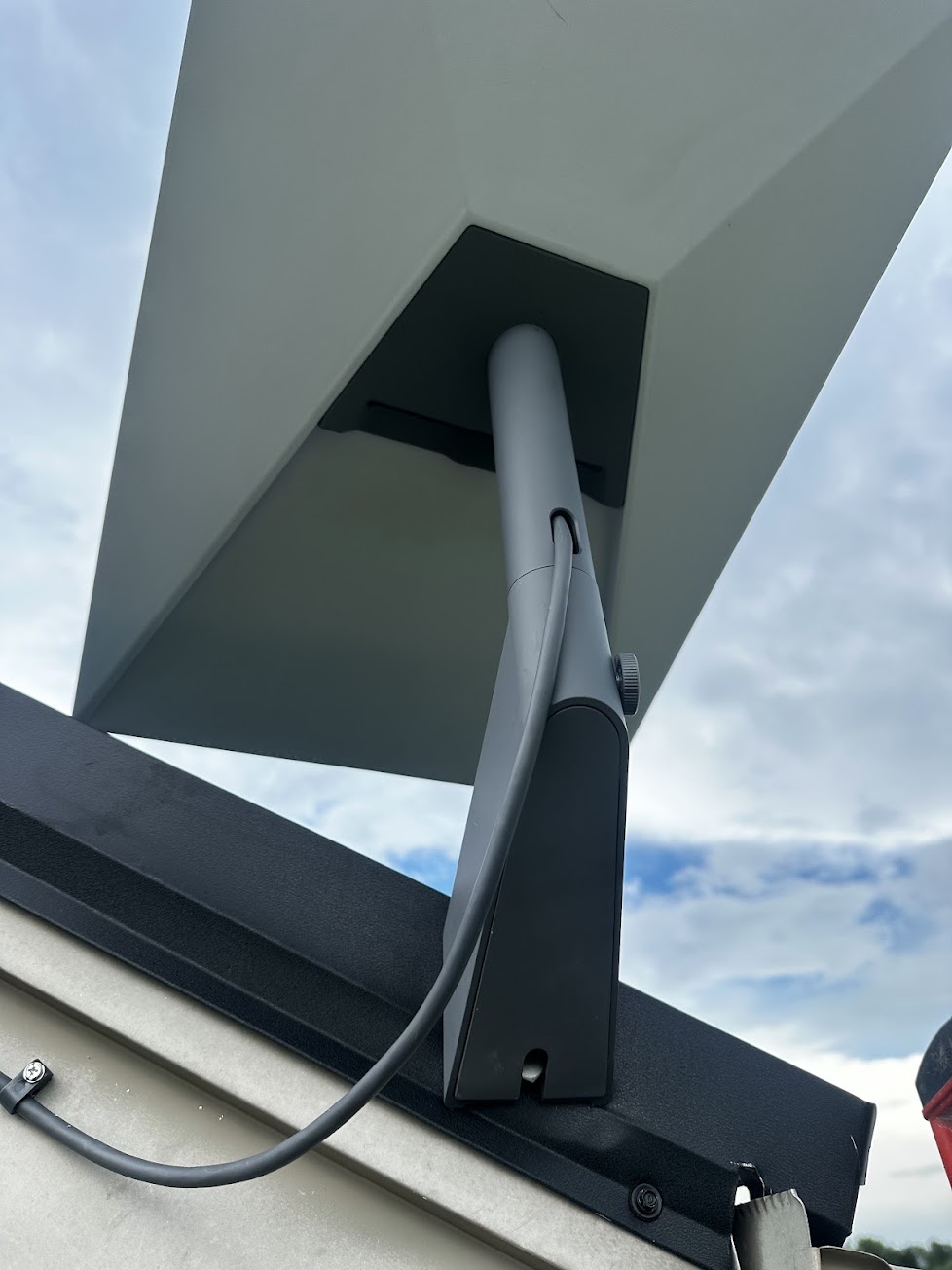
Review app events and inspect accessible cable for cuts, crushing, sharp bends, animal damage, sun brittleness, loose routing, heat marks, corrosion, moisture, and connectors that no longer seat securely.
Look for dish-disconnected alerts across every device, power interruptions without a house outage, failures that react to cable movement, or heat discoloration near a connector. Weak Wi-Fi in one room is not a cable symptom; a failing dish cable interrupts service at the router for the entire network.
What a safe visual inspection can reveal
Power equipment down before reseating connectors according to manufacturer guidance. Test with a known-compatible replacement cable when available, and correct the condition that damaged the original route before installing the new one.
Inspect accessible cable for crushed sections, sharp bends, staple marks, tooth damage, ultraviolet brittleness, flattened door or window crossings, and abrasion at roof or siding edges. Connector pins should be clean, dry, straight, and properly seated. Green residue, dark contacts, melted plastic, or water droplets require replacement evaluation.
Why splicing and temporary fixes are risky
Do not probe proprietary contacts with metal, apply household lubricant, force a connector, or splice the cable as a permanent repair. A visually clean connector can still have hidden pin or conductor damage.
Tape does not restore damaged conductors or original weather resistance. Field splices introduce contact resistance and an additional moisture entry point, while forcing or bending a proprietary connector can damage both cable and equipment socket. Temporary changes can also complicate warranty diagnosis.
Replacing the cable and correcting the cause
Photograph the route and app errors, then contact support or an installer if the cable is roof-mounted, concealed, wet, burned, or repeatedly disconnecting. Replacement is usually more dependable than field splicing.
Use a compatible factory cable and reroute it away from the original hazard. Add conduit at ground transitions, supports across walls, grommets at metal edges, and slack where movement occurs. Test for stable uptime after replacement rather than relying only on one successful speed test.
See how this works on a real property.
Mann’s Starlink Contracting is Caleb Mann’s installation business. Caleb also created StarTether to help Starlink owners understand their connection. Mann’s serves an 11-state region from Campbellsville, Kentucky; confirm your address before scheduling.
Confirm with the official source.
Check the instructions for your exact kit, accessory, and service plan before making a hardware or account decision.
Starlink Help Center ↗Suggest a correctionRelated guides
When Starlink Equipment Should Be Replaced Instead of Repaired
Know when damage, corrosion, repeated failures, unsafe modifications, or obsolete hardware make replacement the dependable choice.
2 MIN READ ↗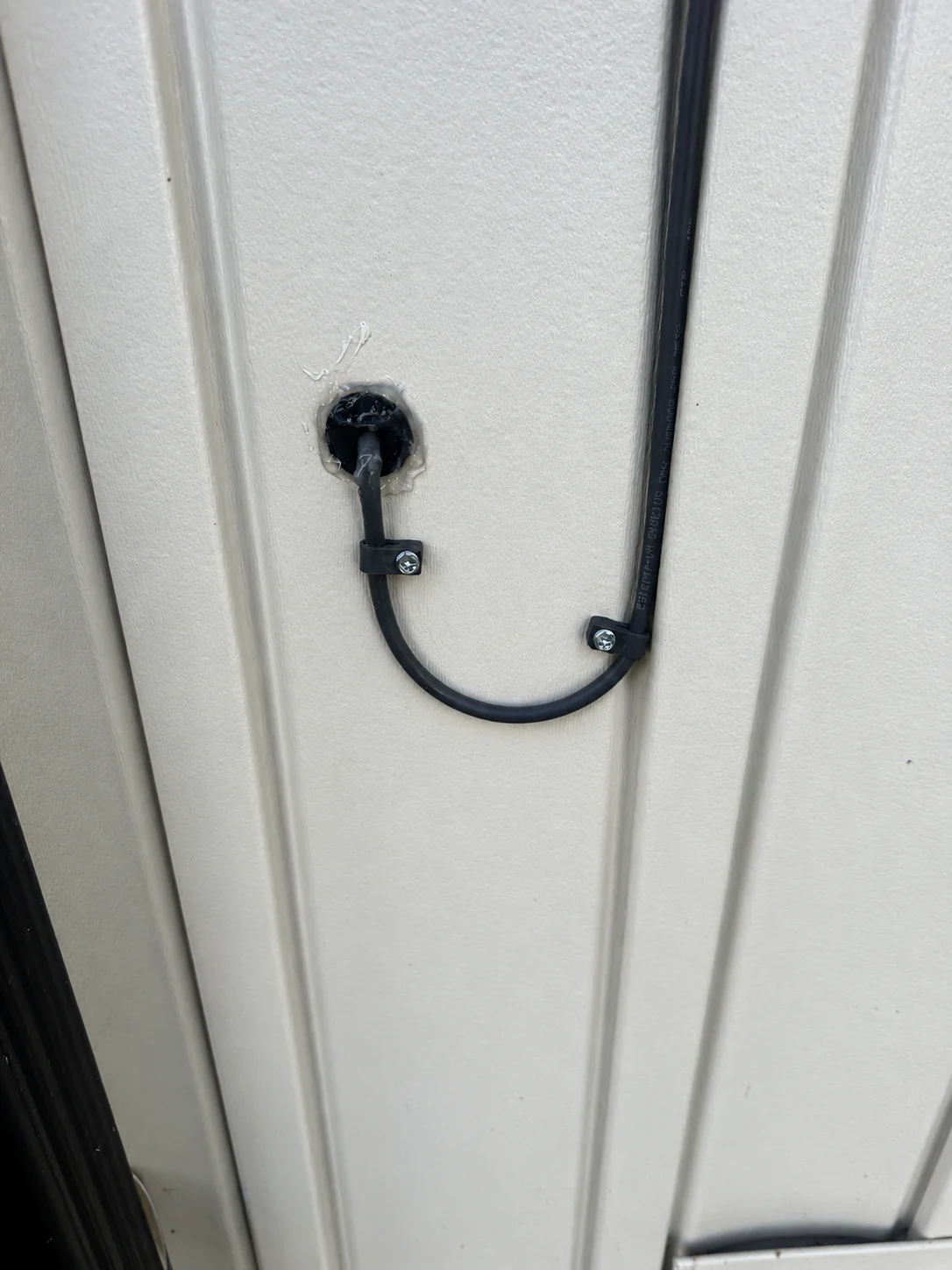
Protecting Starlink Cables From Rodents, Mowers, and Landscaping
Prevent common property damage with conduit, secure routing, protected transitions, and routine cable inspection.
3 MIN READ ↗Why Starlink Speeds Change Throughout the Day
Understand how network demand, Wi-Fi use, weather, obstructions, plan priority, and test conditions affect Starlink results.
2 MIN READ ↗