
How Wind, Hail, and Ice Affect Starlink Mounting
Understand how severe weather changes mount loads, fastener requirements, cable strain, roof hazards, and inspection needs.
Severe weather loads the entire mounting system
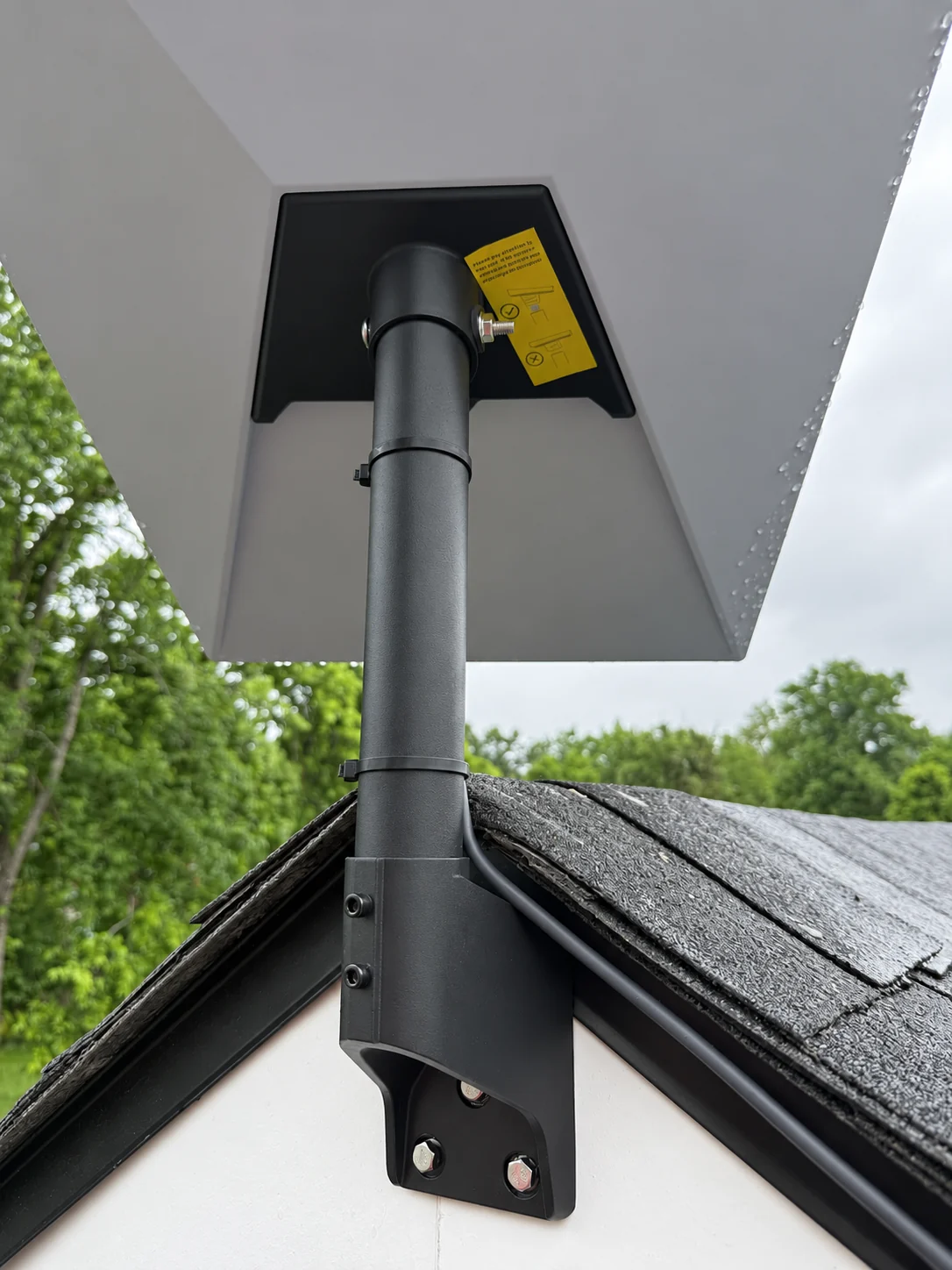
Wind loads the dish and mount repeatedly, ice adds weight and can pull on cable, and hail may damage exposed equipment. The attachment beneath the dish is just as important as the dish housing itself.
The dish, mast, bracket, fasteners, wall or roof structure, cable supports, and sealant experience weather together. A dish that survives can still leave a loosened fastener or opened penetration beneath it, so post-storm evaluation should look beyond whether the app is online.
Wind leverage and structural attachment
Evaluate building height, roof edge exposure, prevailing wind, mount leverage, structural backing, fastener condition, corrosion, cable slack, snow-shedding paths, and whether falling ice can strike people or property.
Higher and more exposed placements receive greater force. Long mast extensions multiply leverage and require an attachment designed for it. Fasteners must enter sound structure, and the bracket should remain plumb without relying on sealant or thin trim for strength.
Hail and impact concerns
Use compatible rated hardware attached to sound structure, secure cable without making it rigid, maintain drainage, and place equipment where it can be inspected without creating unnecessary weather exposure.
Hail can crack housings, mark coatings, and damage roofing around a mount. Do not assume every surface mark affects operation, but photograph cracks, dents near connectors, and sudden errors. Insurance documentation is easier before equipment is moved or discarded.
Ice, snow shedding, and cable strain
Avoid long unsupported mast extensions, loose cable loops, mounting to deteriorated trim, or climbing onto an icy roof after a storm. Snow-melt features do not remove every ice or structural risk.
Ice adds weight and can bridge between dish, mast, and cable. Sliding snow on a metal roof may yank an unsupported route. Provide managed slack and keep cable from sharp edges and major shedding paths. Never strike or pry ice from the equipment.
Safe inspection after a storm
After severe weather, inspect safely from the ground for movement, loosened cable, damaged roof material, or changed alignment. Arrange professional inspection when damage is suspected or roof access is hazardous.
Inspect from the ground first for tilt, loose loops, broken clips, roof debris, or exposed wiring. Avoid wet, icy, wind-damaged, or structurally uncertain roofs. If movement or damage is suspected, power down when safe and arrange professional inspection before the next storm.
See how this works on a real property.
Mann’s Starlink Contracting is Caleb Mann’s installation business. Caleb also created StarTether to help Starlink owners understand their connection. Mann’s serves an 11-state region from Campbellsville, Kentucky; confirm your address before scheduling.
Confirm with the official source.
Check the instructions for your exact kit, accessory, and service plan before making a hardware or account decision.
Starlink Help Center ↗Suggest a correctionRelated guides
Starlink Installation After Storm or Roof Damage
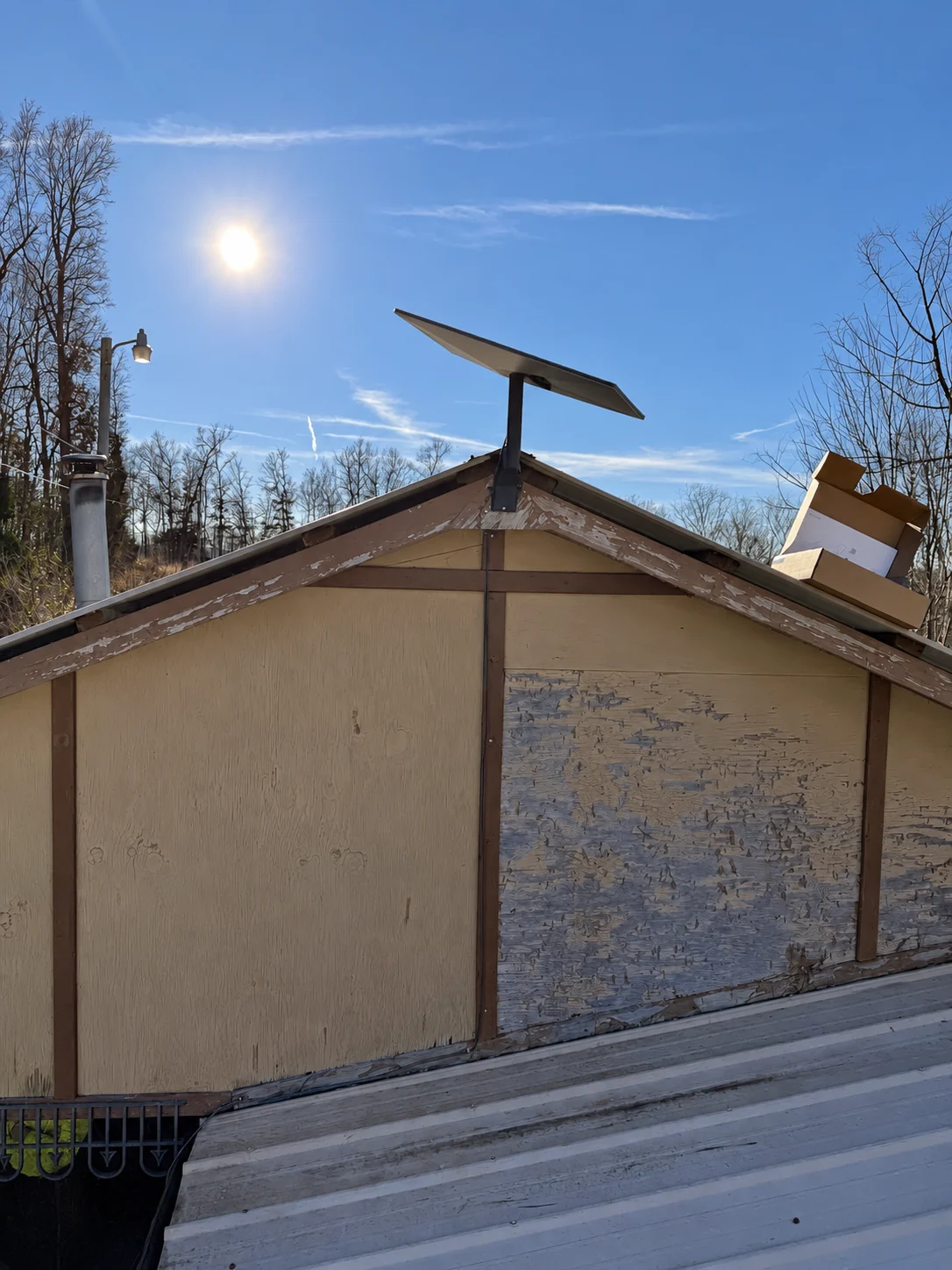
Coordinate roof repairs, equipment inspection, temporary removal, remounting, cable replacement, and insurance documentation after damage.
2 MIN READ ↗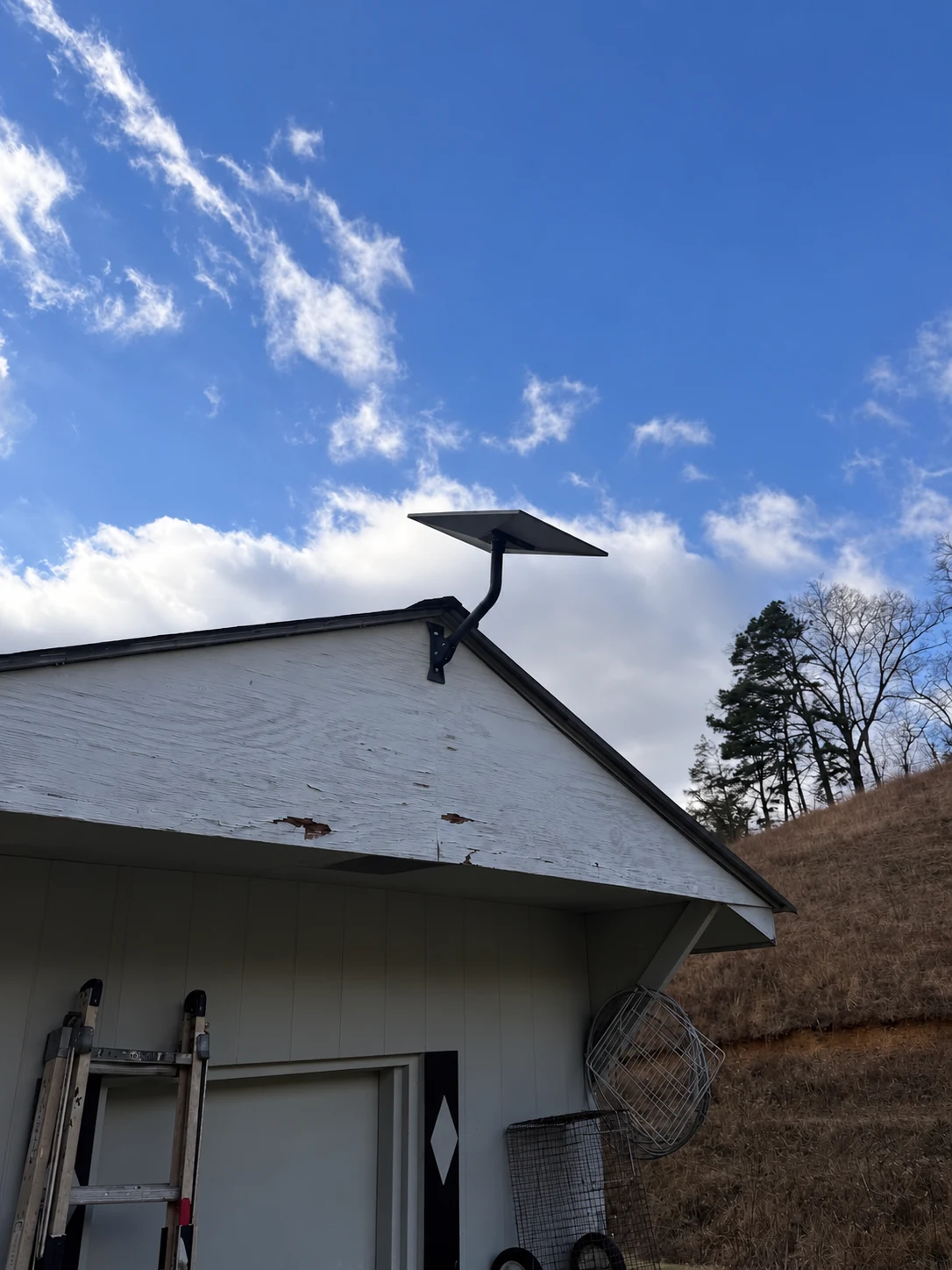
Why Terrain Matters Less Than Obstructions for Starlink
Learn why valleys and mountains do not automatically prevent Starlink service—and why nearby trees and rooflines often matter more.
2 MIN READ ↗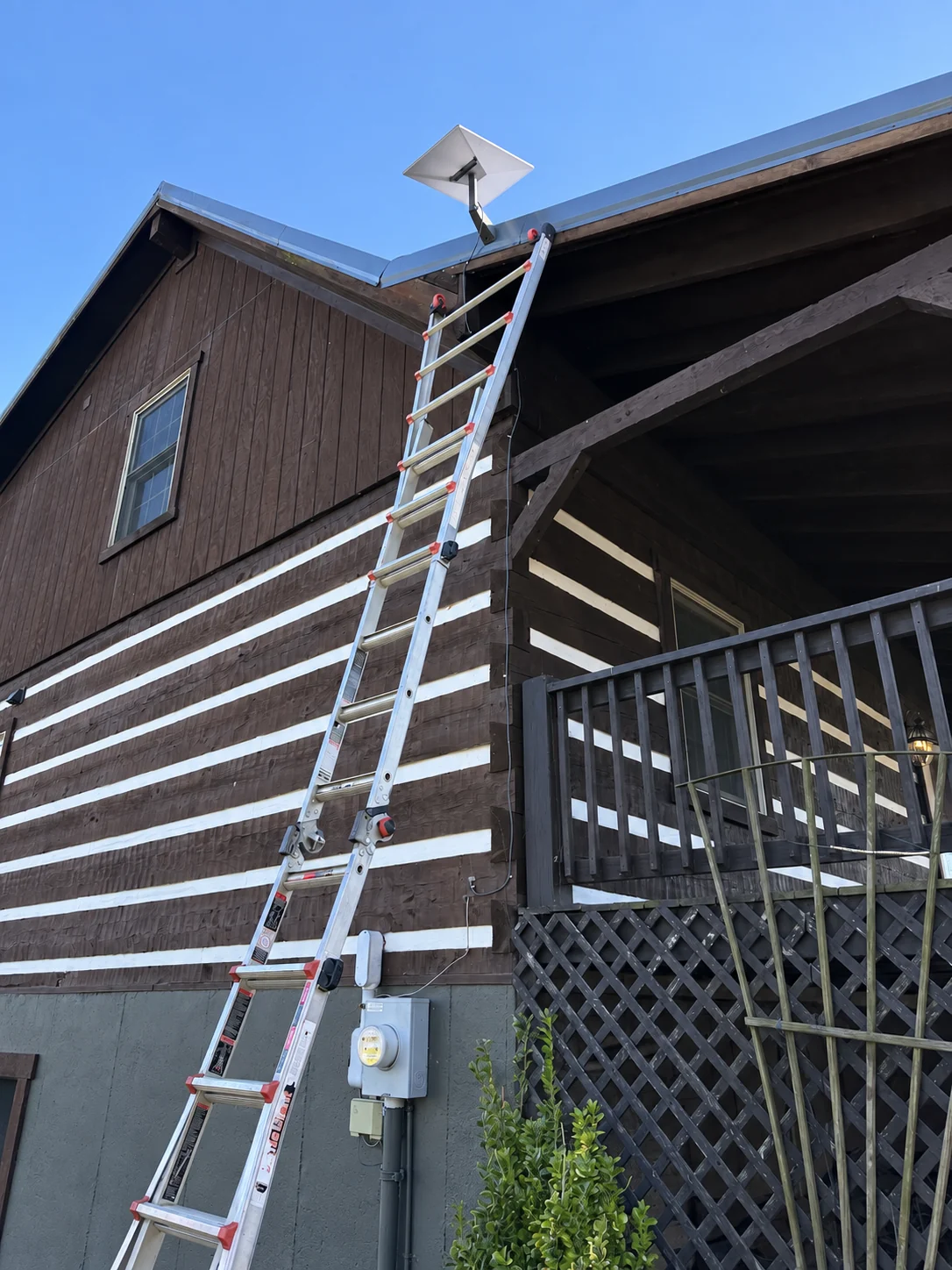
Starlink for Remote Cabins and Off-Grid Properties
Plan sky visibility, power, equipment protection, remote monitoring, seasonal access, and backup communication for isolated properties.
2 MIN READ ↗